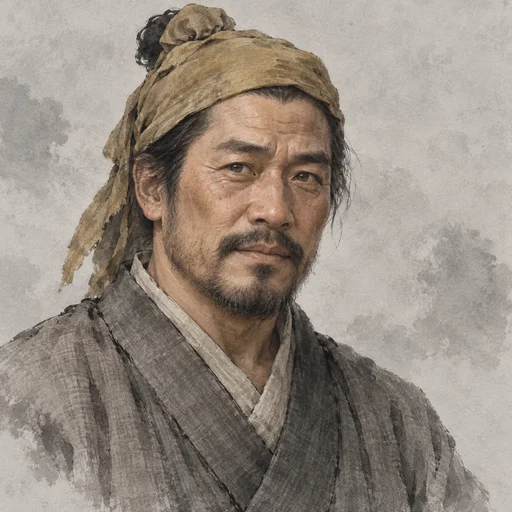
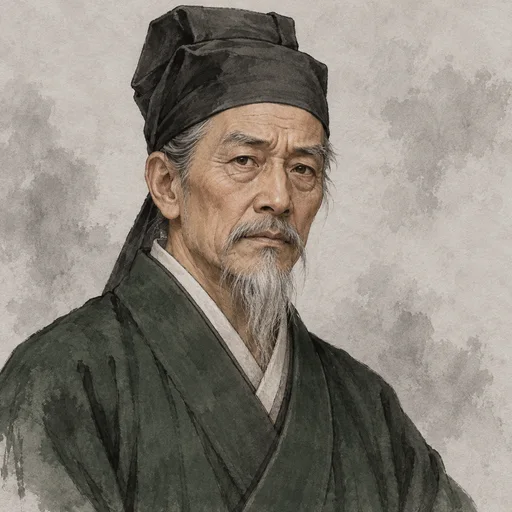
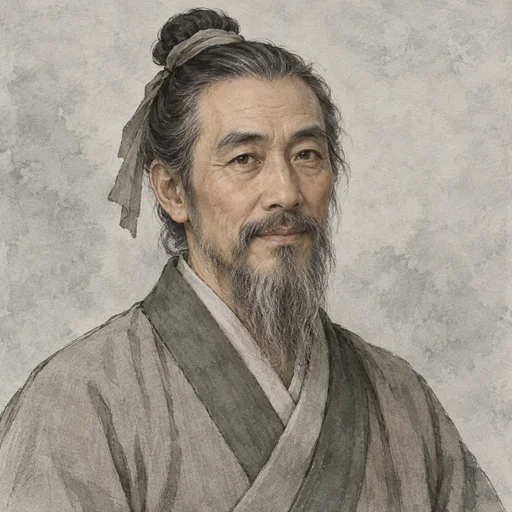
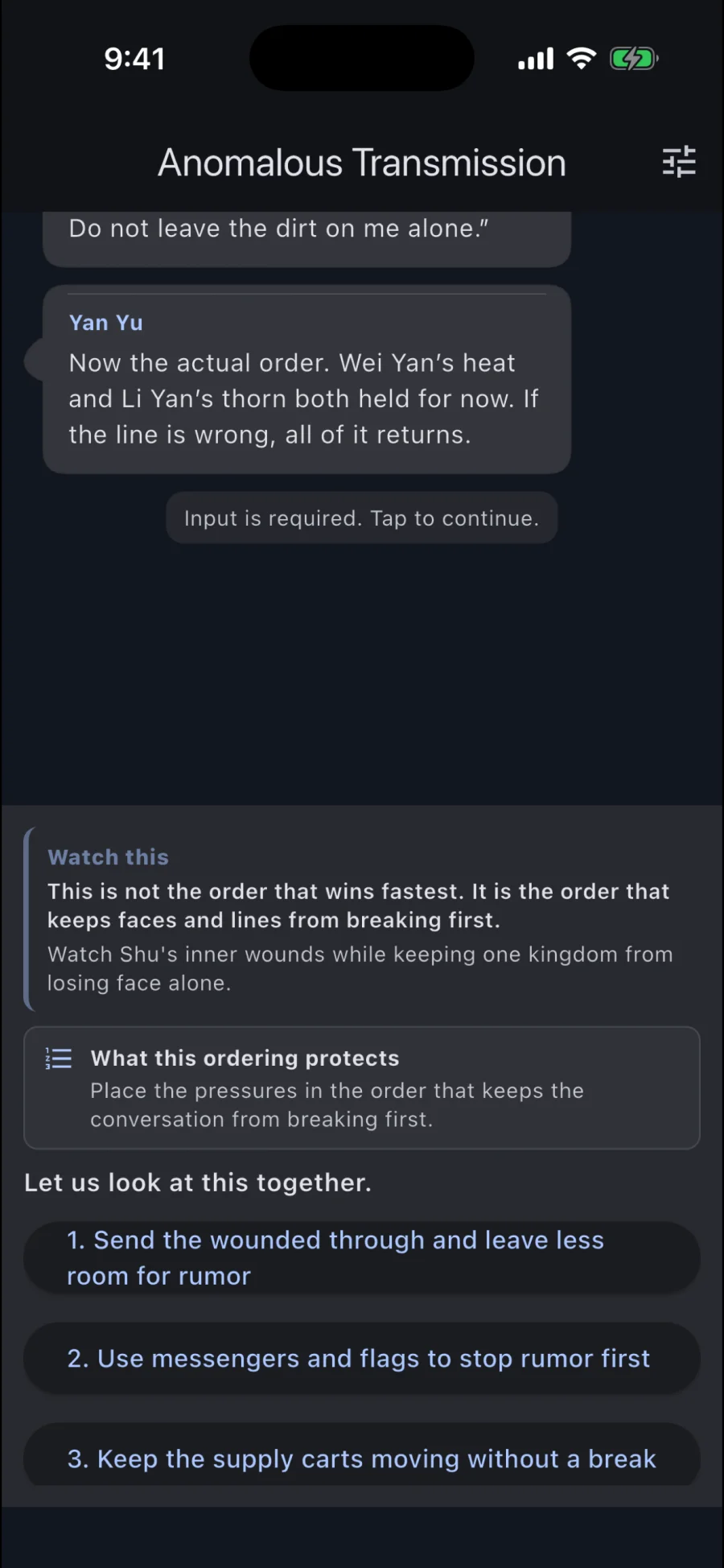
Six correspondents. Six kinds of pressure.
Voices across the records
A courier between rival commands. An adviser whose orders return unopened. A man at a ration gate. Behind each conversation is someone trying to keep a fragile line from breaking.
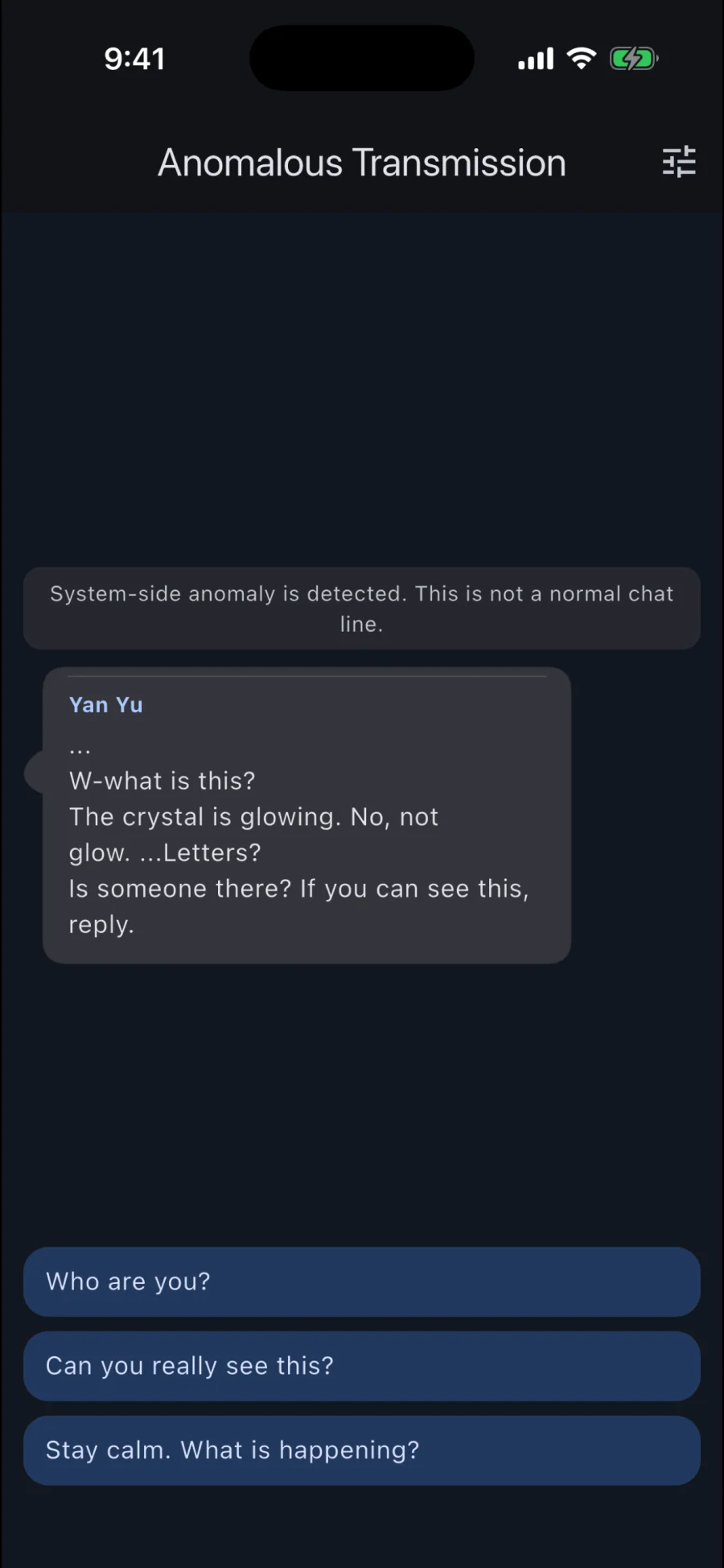
The main story follows Yan Yu; five Additional Records open other perspectives after its completion. These introductions name their correspondents and settings, but leave the endings and choices unrevealed.
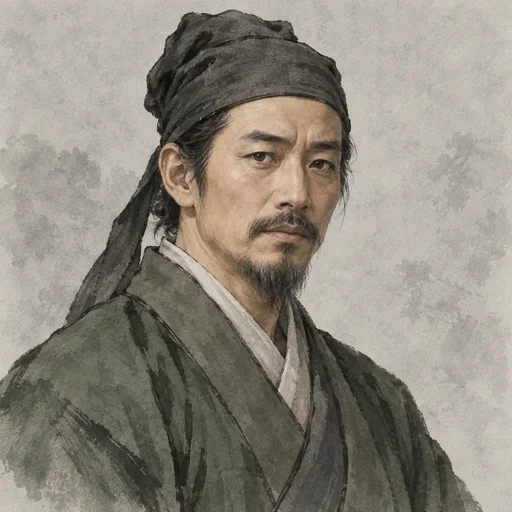
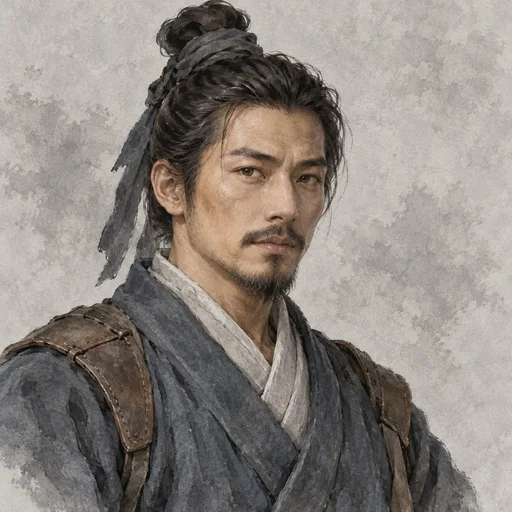
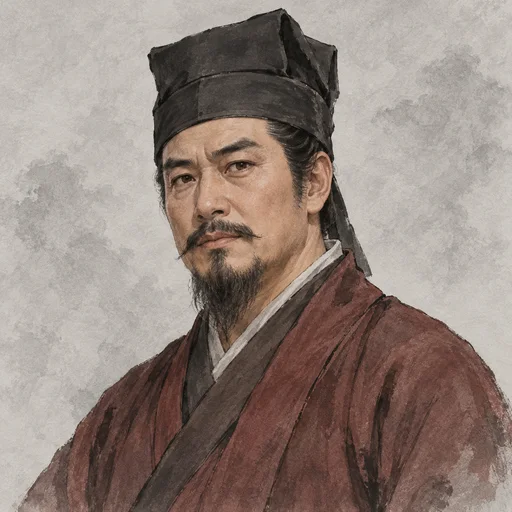
Original imaginative portraits created for this website, not reconstructed historical likenesses. Appearance, clothing and age are artistic interpretations. The crystal link, conversations and alternative outcomes are fictional.
Historical Context
The Records of the Three Kingdoms describes Yan Yu as diligent and capable, and places him among the officials who followed Ma Zhong in Shu's southern administration. This brief account does not describe the messenger role used in the game. Source: vol. 43, Ma Zhong.
In This Story
He runs between records and dispatches while Shu's army struggles with internal strain. A late message can leave someone behind; an ill-judged reply can make another person's burden heavier.
History and Fiction
His assignment, access to events and conversations are imagined. The story develops a fictional role around a historical name, rather than claiming to recover his biography.
Historical Context
Ma Chao's biography identifies Ma Dai as his younger cousin and a later general of Shu. It also describes the coalition of Ma Chao and Han Sui at Tong Pass, where suspicion could be as dangerous as the opposing army. Source: vol. 36, Ma Chao.
In This Story
A messenger hesitates between two commanders' names. Ma Dai asks you to weigh timing, standing and the cost of delay inside a coalition that only barely looks like one body.
History and Fiction
The source does not establish this correspondence role at Tong Pass. His duties here, the dialogue and the coalition's possible paths are creative interpretation.
Historical Context
Guo Tu belonged to Yuan Shao's advisory circle. Accounts of the Guandu campaign place him amid disputes over strategy and military authority: a large army still depended on supplies and decisions made by people who disagreed. Source: vol. 6, Yuan Shao.
In This Story
Orders have crossed several desks and come back with their seals unbroken. Guo Tu looks past persuasive words to ask where responsibility goes, and who suffers when those above preserve their standing.
History and Fiction
The record turns political disagreements into an imagined conversation about orders, grain and responsibility. It is not a transcript of his words or a claim that its alternative outcomes occurred.
Historical Context
Liu Bei's biography briefly names Gong Du among the Runan forces with whom Liu Bei joined during the struggle between Yuan Shao and Cao Cao. It gives little detail about Gong Du's life or the people around him. Source: vol. 32, Liu Bei.
In This Story
In the aftermath of rebellion, people crowd a ration gate. Gong Du needs help before hunger, fear and rumour scatter them. Here, the order of a reply is also the order in which someone receives care.
History and Fiction
The survivors, ration rosters and relief network fill a gap in the historical record. They are invented story material, not documented activities of Gong Du.
Historical Context
Chen Fan was a senior Eastern Han official whose biography emphasizes remonstrance and court politics. Under Emperor Ling, he worked with Dou Wu against powerful eunuchs; access to the court's authority carried serious personal risk. Source: Book of the Later Han, vol. 66.
In This Story
The palace corridor appears quiet, but names move faster than people. Chen Fan asks how a principled argument can still be heard without closing every door through which it must pass.
History and Fiction
The playable window for negotiation and your exchanges with him are imagined. They are not a transcription of his surviving memorials, nor evidence of a different historical outcome.
Historical Context
Zhang Lu's biography traces his religious lineage to his grandfather Zhang Ling in Shu. It is a retrospective account, not a detailed life of Zhang Ling; the relief institutions described later in the passage belong to Zhang Lu's administration. Source: vol. 8, Zhang Lu.
In This Story
People gather along a valley road before official help arrives. Zhang Ling asks who cannot wait for today's food, and what it would take for relief to travel all the way from an office to a village.
History and Fiction
The valley's relief work, ledgers and dealings with local officials are the game's interpretation. They are not documented actions of Zhang Ling or proof of later religious traditions.
Historical notes paraphrase the cited early histories, which have their own perspectives and limits. Links lead to original-language texts, including commentary; narrative emphasis remains an interpretation, not a complete scholarly biography.